
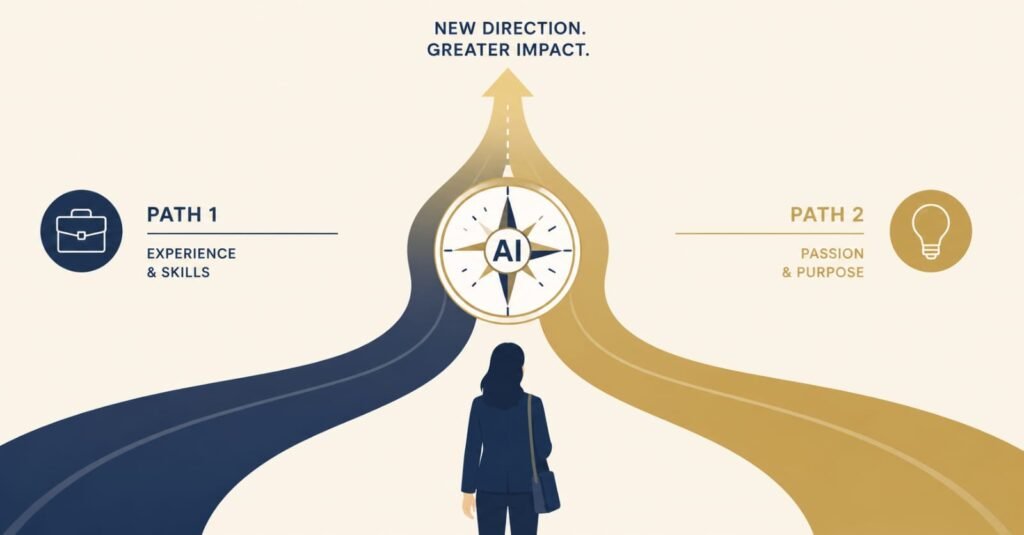
Changing industries can feel like starting over, but many skills transfer. The challenge is translating your experience into the language of a new field. AI tools such as ChatGPT, Claude, and Gemini can help with that translation and with planning, as long as you check their suggestions against real job postings and your actual background. This playbook outlines a step-by-step approach. Outcomes vary widely, and no tool replaces networking and honest self-assessment.
Step 1: Map Your Transferable Skills
List your responsibilities, projects, and results from your current field, then ask an AI assistant to identify skills that apply to your target industry, such as project coordination, stakeholder communication, analysis, or customer service. Verify each suggested connection by asking whether you can support it with a real example.
Step 2: Study the Target Field
Collect several job descriptions for roles you want and ask the AI to summarize the recurring skills, tools, and qualifications. Cross-check with professionals in the field, industry associations, and sources like the U.S. Bureau of Labor Statistics’ Occupational Outlook Handbook for realistic pay and outlook information.
Step 3: Find and Close Skill Gaps
Compare your skills with the postings to see which are missing. For each gap, choose a credible way to build basic competence, such as a short course, a certification, or a small project. Prioritize the two or three gaps that appear most often instead of trying to learn everything.
Step 4: Rewrite Your Story
Draft a short narrative explaining why you are changing fields and how your background is an asset. Practice it aloud until it sounds natural, and keep it honest and forward-looking. Use the same story on your resume summary, LinkedIn profile, and in interviews.
Step 5: Build Proof and Connections
Employers want evidence. Complete a small project, volunteer, or freelance to show you can do the work. Reach out to people in the field for short conversations, and ask about their path rather than asking for a job.
Step 6: Apply Strategically
Tailor each resume to the posting, focus on roles that value your transferable strengths, and track applications in a spreadsheet. Be prepared for a possible pay adjustment if you are moving to a more junior role.
Common Mistakes to Avoid
Avoid overstating experience, applying widely without tailoring, and relying on AI output without verification. A pivot usually takes months, so plan your finances and timeline realistically.
Prompts to Help You Reframe Your Experience
Useful prompts include asking the AI to rewrite a resume bullet in the language of your target industry, to list questions an interviewer in the new field might ask a career changer, and to explain unfamiliar jargon from job postings. Always compare the output with your real history, and keep any claim you cannot support out of your materials.
Building a Realistic Timeline
A rough plan might allow a few weeks for research and skill mapping, a few months for learning and building proof, and additional time for networking and applying. Adjust for your finances, family commitments, and how different the new field is. If possible, save a cushion before making a big move, and consider whether a transition role or part-time project can bridge the gap.
Using Your Network
People who work in your target field can tell you what the job is really like and which skills matter. Ask for a short informational conversation, prepare specific questions, and thank them afterward. Referrals often matter more than online applications.
Presenting Your Change Positively
Focus on what draws you to the new field and what you bring, rather than apologizing for your background. Employers appreciate candidates who show they have researched the field, taken initiative to learn, and understand the trade-offs of the change.
Frequently Asked Questions
How long does a career change take? It varies by field and preparation, often several months or more.
Do I need a new degree? Not always. Some fields value certifications or portfolios, while others require formal credentials.
Can AI choose my new career? It can suggest options, but the decision should rest on your interests, research, and conversations with people in the field.
This article is general information, not career advice.